Powering the Engine
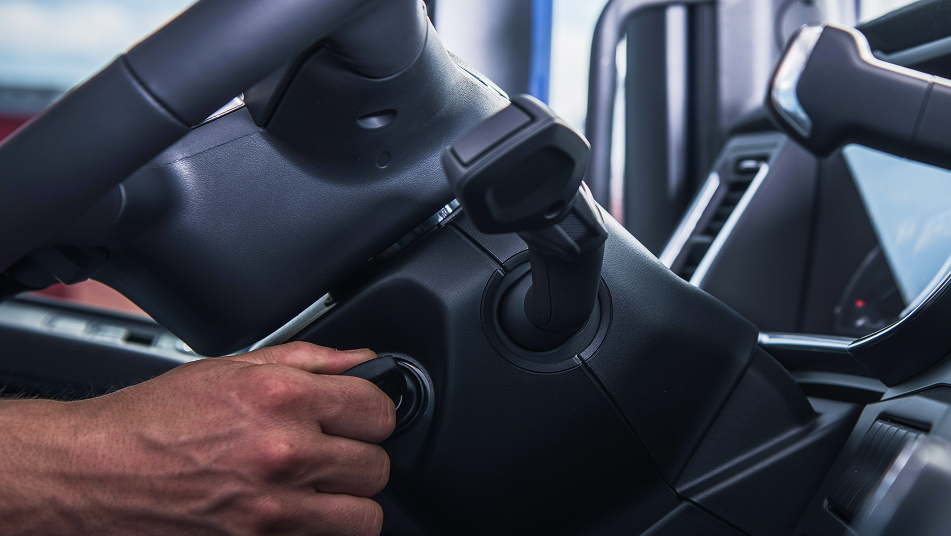
Built to perform under punishing conditions, the starter is the unsung hero of every heavy-duty vehicle. Working in conjunction with the alternator, the starter’s high-torque electric motor draws power from the battery to crank the engine and kickstart the combustion process. Without it, there’s no ignition – no movement.
Engineered for frequent use and extreme environments, today’s heavy-duty starters are designed to turn over massive engines with confidence. Whether facing sub-zero temperatures or rugged terrain, they deliver fast, reliable starts when it matters most – getting your rig up and running without hesitation.
What Are the Parts of a Starter System?
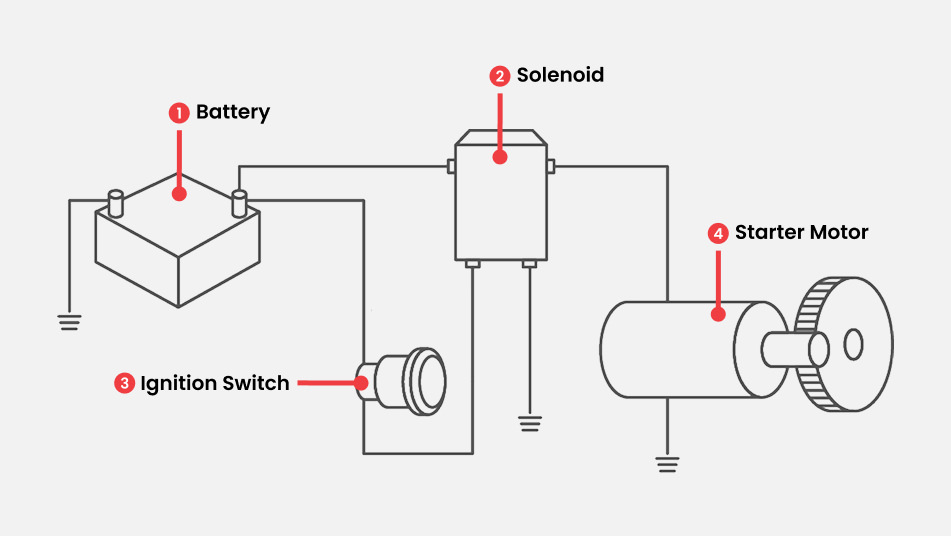
A starter system typically includes four main components:

Battery
Supplies the electrical power needed to start the engine.

Starter Motor
Turns the engine’s crankshaft to begin combustion.

Solenoid
Functions as a switch, engaging the starter gear with the engine’s flywheel.

Ignition Switch
Sends the electrical signal that activates the starter system.
How Does a Starter Work?
When you turn the key or press the start button, a precise sequence of events launches your engine into action:
Ignition Sequence
The driver activates the ignition, sending an electrical signal to the starter solenoid.
Solenoid Engaged
The solenoid receives the signal and closes the circuit between the battery and the starter motor.
Starter Motor Powers Up
Drawing energy from the battery, the motor activates and pushes the pinion gear forward.
Gear Engagement
The pinion meshes with the engine’s flywheel, turning the crankshaft.

Combustion Initiated
The crankshaft’s motion begins the combustion cycle, allowing the engine to start.

Starter Disengages
The driver releases the ignition and the pinion retracts and the starter system powers down, ready for the next ignition sequence.

Symptoms of a Bad Starter
A bad starter can cause serious problems for commercial vehicles. From halting operations to disrupting schedules, a bad starter can result in costly and time-consuming repairs. It can also place added strain on the battery and ignition system, compounding repair costs. Recognizing the early signs and addressing them promptly helps prevent unexpected downtime, protects related components and keeps your fleet running reliably.

Engine Won’t Crank or Cranks Slowly
You turn the key or press the button, but the engine doesn’t turn over. This is a common sign of a bad starter – especially if the lights and electronics still work.

Clicking Sound at Startup
A single loud click or several rapid clicks when starting the engine may point to a low battery, poor connections or a faulty starter solenoid.

Intermittent or Unreliable Starts
The vehicle starts sometimes, but not always. Worn brushes, loose wiring or a failing solenoid can cause inconsistent performance.

Unusual Noises
Grinding sounds may indicate worn or damaged teeth on the starter pinion gear or flywheel. A whirring noise could mean the motor is spinning without engaging the flywheel.

Lights Dimming During Starting
Interior lights that dim or flicker when starting the engine may signal the starter is drawing excessive power.

Burning Smell or Smoke
Overheating from repeated failed starts or electrical faults can produce smoke or a burning odor.

Oil-Soaked Starter
Leaking engine oil can coat the starter, leading to electrical shorts or mechanical failure.

Starter Stays Engaged After Start
If the starter continues running after the engine starts, it could be a stuck solenoid or ignition fault – this can quickly damage the flywheel and starter motor.
FP Diesel™ Starters
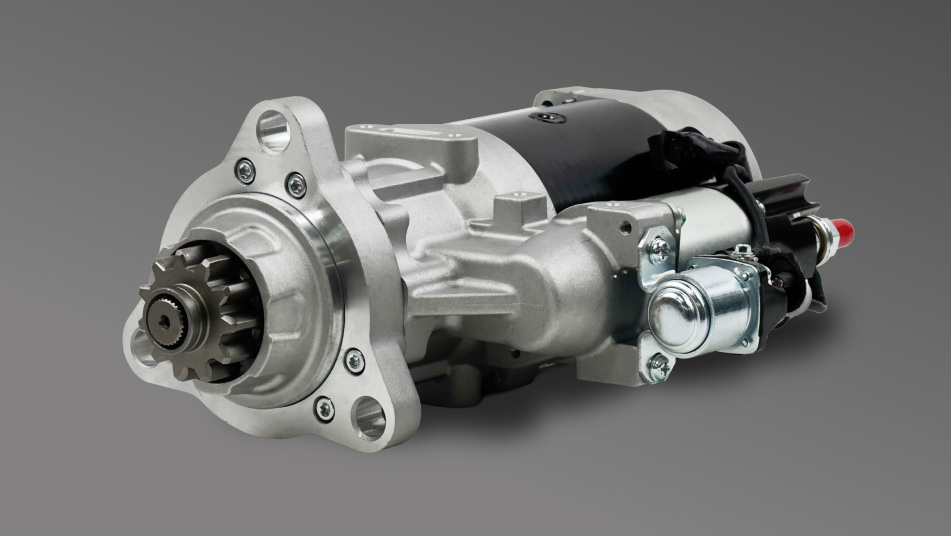
In commercial and heavy-duty vehicles, a dependable starter means less downtime, fewer roadside calls and greater confidence with every ignition. When it’s time for a replacement, count on FP Diesel for premium starters engineered for unmatched durability. Designed for high output and optimized performance, FP Diesel starters deliver powerful cranking to get your rig up and running – every time.
Learn more about premium heavy-duty parts, consult our catalogs, find your car part, or find where to buy your auto part today.
The content in this article is for informational purposes only. You should consult with a certified technician or mechanic if you have questions relating to any of the topics covered herein. DRiV and its affiliates (including Federal-Mogul Motorparts LLC) will not be liable for any loss or damage caused by your reliance on any content.