Taking a Closer Look
Regular inspection of a commercial vehicle’s shocks ensures that the rig is in good working order and ready for the rigors of the road. Taking care of the shocks on a fleet not only reduces maintenance costs but it avoids unscheduled downtime that also saves customers money.
Help your customers ensure the health of their heavy-duty vehicles by inspecting their shocks on a regular basis. Monroe recommends that on-pavement vehicles have their shocks checked every 50,000 miles/80,000km, while off-pavement vehicles should be checked every 10,000 miles/1,600km. An inspection should also be performed whenever there is uneven tire wear or if work is done on the frame, steering or suspension components.
When it comes to replacing shocks for regular preventative maintenance, Monroe recommends replacing the shocks at 200,000 miles/320,000km for on-pavement vehicles and 50,000 miles/80,000km for off-pavement vehicles.
Temperature Check
If the vehicle has been driven recently, the inspection can start with checking the temperature of the shock absorbers. Shocks can run as hot as 350°F, so be sure to use an infrared thermometer gun or similar tool to do the temperature check. Do not touch the shock absorber. If one shock absorber is cooler than the rest, it will require additional scrutiny.
Check for Oil Leaks
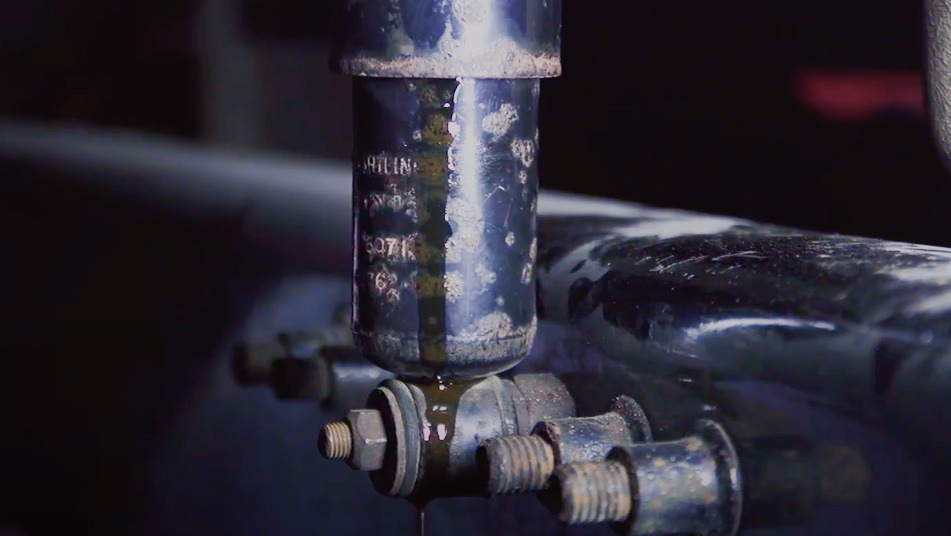
Examine the shocks for excessive oil leakage. Be sure not to mistake weeping or misting for a failing shock. A leaking shock will not only have a heavy coating of oil, but also visible oil leak lines on the body of the shock.
Visual Check
Check the following for damage:
- Mounts
- Bushings
- Cushions
- Sleeves
- Hardware
- Rust and pitting on the rods
- Physical damage to the shocks
- Loose dust shields
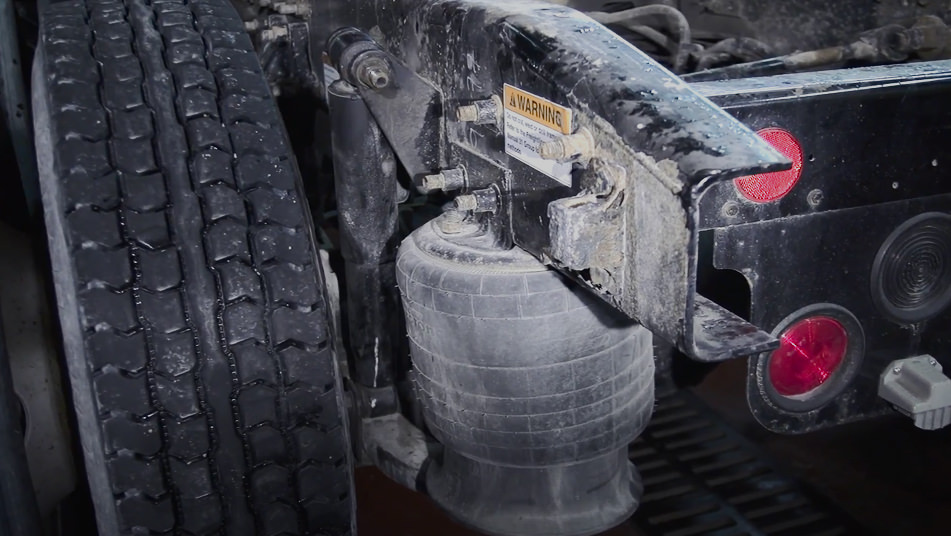
Inspect the frame around the shock mount area for signs of wear or fatigue-type fractures. Also look at the stops on both extension and compression.
Performance Check
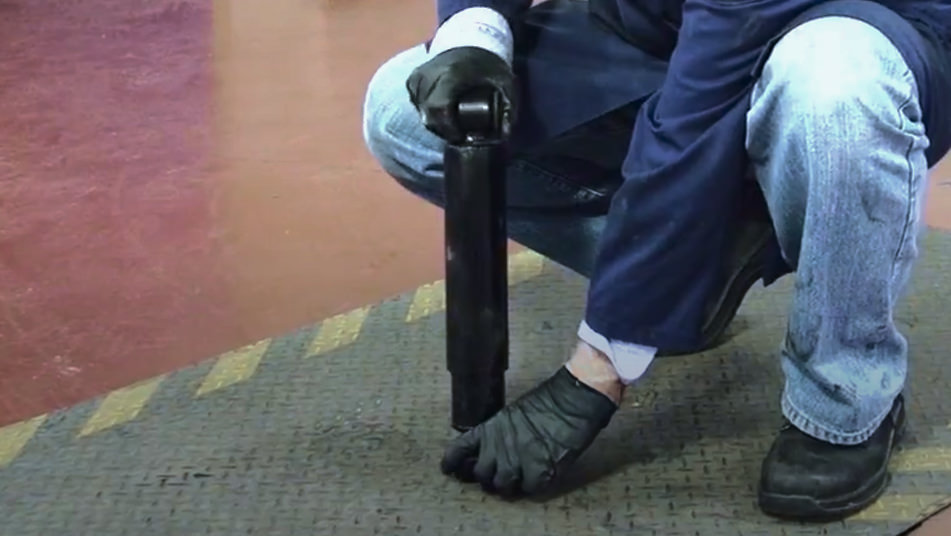
Next, check the physical performance of the shock by hand. Start by disconnecting one end of the damper, cycling it in and out 3-to-4 times by hand in the upright position. During the last cycle, if the shock absorber exhibits dead spots or if the unit is binding or feels gritty at any point during its travel, it should be replaced. Keep in mind that not all commercial vehicle shock absorbers are gas charged, so checking the extension rate of the rod is not an accurate test.
Learn more about premium heavy-duty parts, consult our catalogs, find your car part, or find where to buy your auto part today.
The content in this article is for informational purposes only. You should consult with a certified technician or mechanic if you have questions relating to any of the topics covered herein. DRiV and its affiliates (including Federal-Mogul Motorparts LLC) will not be liable for any loss or damage caused by your reliance on any content.