What Does a Catalytic Converter Do?
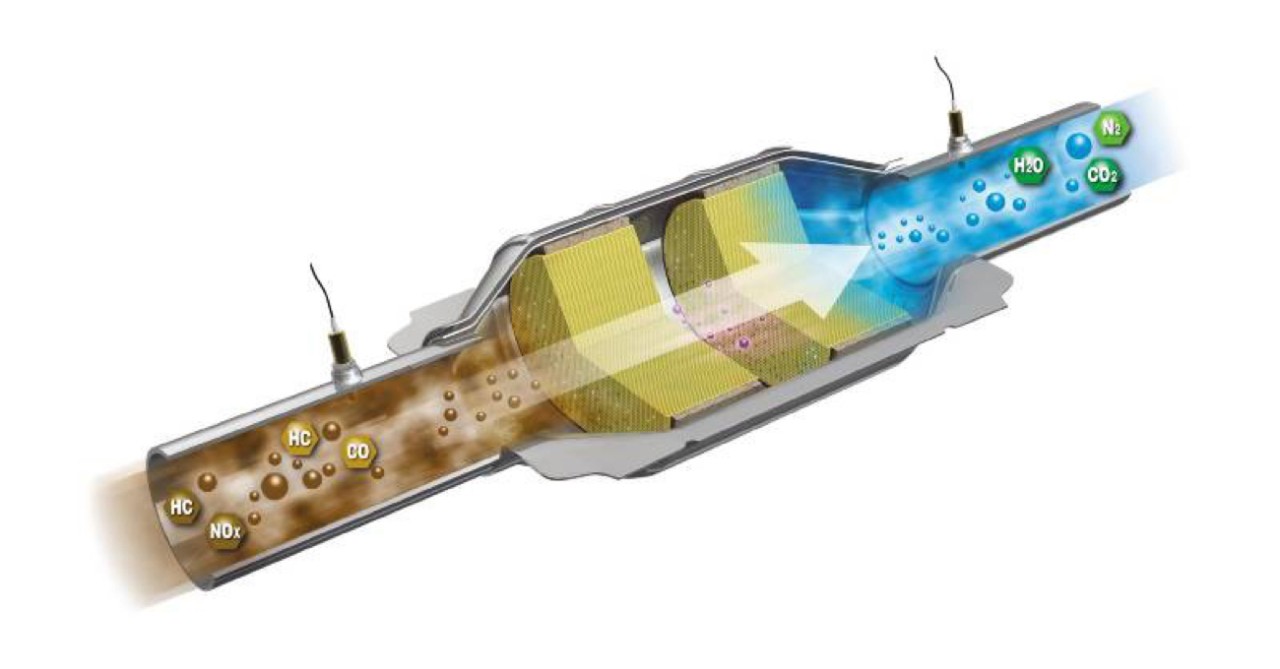
The catalytic converter plays a crucial role in a vehicle’s emissions control system by transforming toxic emissions from an internal combustion engine into less harmful substances. It converts pollutants such as oxides of nitrogen, carbon monoxide, and hydrocarbons into safer byproducts like carbon dioxide, water, and nitrogen gas. Since the 1975 model year, catalytic converters have been required on vehicles to meet EPA tailpipe emission standards.
How Does a Catalytic Converter Work?
Located beneath the vehicle between the muffler and the engine, the catalytic converter is more than just a filter – it promotes the transformation of exhaust gases before they exit. Inside, a honeycomb substrate coated with a proprietary mix of precious metals and a washcoat facilitates chemical reactions that convert toxic gases into less harmful emissions. Using heat and an optimal balance of air and fuel, the catalytic converter works in conjunction with the Powertrain Control Module (PCM) and other emissions control devices to complete the conversion.
How a Bad Catalytic Converter Hurts Your Engine
Driving with a bad catalytic converter can diminish engine efficiency and overall drivability. From sluggish acceleration to reduced fuel economy, a faulty converter can cause a range of performance issues.
Diminished Engine Performance
A failing catalytic converter often leads to reduced engine power and overall performance. When clogged, it restricts airflow, preventing the engine from receiving the oxygen it needs – ultimately causing performance to suffer. You may experience:
- Engine misfires
- Delayed acceleration
- Hard starts
- Loss of power
- Stalling
Lower Gas Mileage
If your catalytic converter is failing, you may find yourself refueling more often. When it isn’t functioning properly, the engine burns fuel inefficiently,
leading to increased consumption and reduced gas mileage.
Emissions Test Failure
In states that require emissions testing, a bad catalytic converter can cause your vehicle to fail. You’ll likely need to fix the issue to renew your registration and keep your car roadworthy.
Environmental Impact
A malfunctioning catalytic converter can release harmful toxins into the atmosphere. Ensuring it functions properly is essential for preventing dangerous gases from polluting the environment.
Engine Overheating
Driving for an extended period with a faulty catalytic converter increases the risk of engine overheating. When the converter can't properly process harmful gases, the engine runs hotter and may overheat.
Increased Exhaust Noises
The honeycomb mesh inside the catalytic converter helps muffle exhaust noise. If the substrate comes loose or is missing, it can no longer absorb sound effectively, leading to increased noise levels.
CAN YOU DRIVE WITH A BAD CATALYTIC CONVERTER?
While driving with a failing catalytic converter may be possible, it's not advisable. A malfunctioning converter can negatively affect your vehicle in multiple ways. If you suspect an issue, it's best to have an auto technician inspect it. Continuing to drive with a bad catalytic converter can lead to engine performance problems like those mentioned above.
SELECTING THE RIGHT CATALYTIC CONVERTER
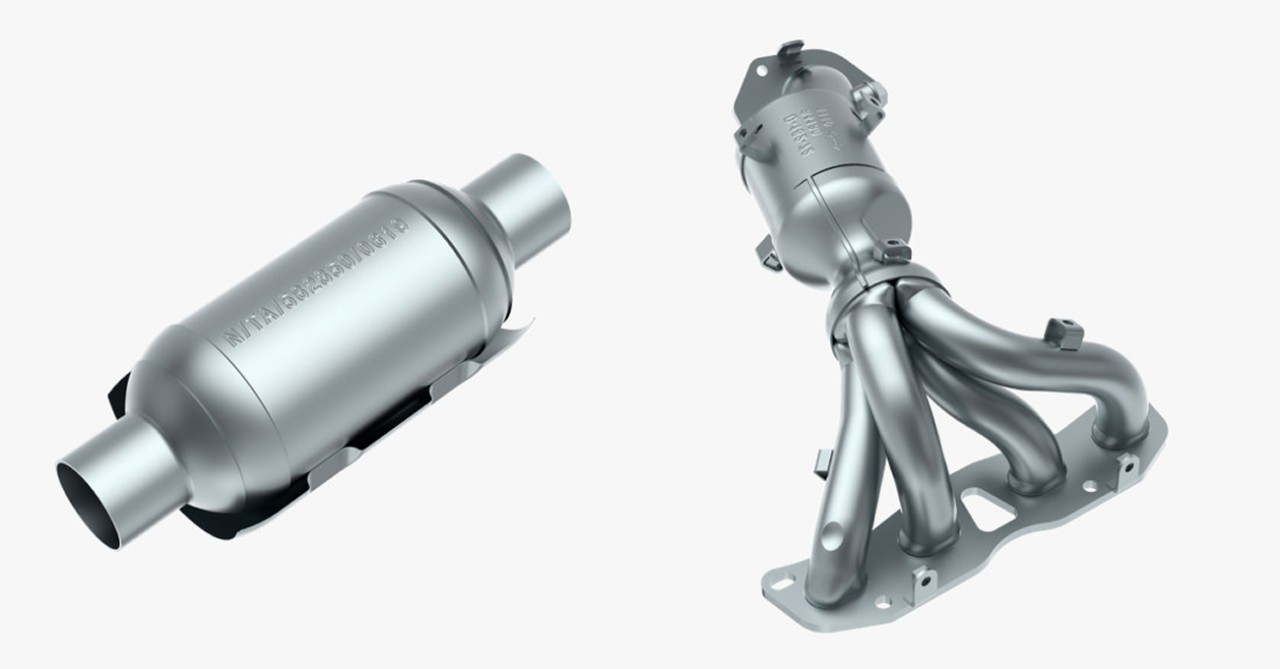
When you need to replace your vehicle's catalytic converter, trust Walker for a high quality converter designed to keep the check engine light off for emissions codes. Whether you need an EPA-compliant converter, or a CARB-compliant converter, Walker offers direct-fit and universal catalytic converters to suit a variety of applications.
Learn more about quality exhaust parts, find the right car part, or find a local repair shop today.
The content in this article is for informational purposes only. You should consult with a certified technician or mechanic if you have questions relating to any of the topics covered herein. DRiV and its affiliates (including Federal-Mogul Motorparts LLC) will not be liable for any loss or damage caused by your reliance on any content.